


Essential Botox Aftercare Tips: What to Do Before, During & After Treatment
- What You Need Before Your Botox Treatment
- The Four-Hour Upright Position Rule
- Protect Your Injection Sites From Touching
- 24-Hour Exercise, Heat & Activity Restrictions
- Can You Wear Makeup After Botox?
- Can You Exercise After Botox?
- How Long After Botox Can You Lay Down?
- Can You Drink Alcohol After Botox?
- Facial Movements & Muscle Exercises After Botox
- Botox Results Timeline: When You’ll See Results
- Preventing Bruising & Swelling With Ice and Arnica
- When to Contact Your Botox Practitioner
- Botox Aftercare FAQs
As award-winning specialists celebrating 15 years of advanced aesthetic treatments, we’ve refined the science of Botox aftercare through thousands of client consultations. Our Celebrity Harley Street Doctors bring their expertise to our Brighton clinic, where proper post-treatment care transforms good results into exceptional outcomes. This comprehensive guide reveals the critical aftercare protocols that protect your investment and accelerate your journey to a refreshed, youthful appearance.

“Nothing compares to the beautiful result achieved. Allison is such a master of her trade. Even though I have had the same treatment elsewhere, nothing compares to the beautiful result achieved by Alison’s mastery! Do not hesitate to book your treatment; she really is the best! Lovely and organised. Easy to get to and very friendly.”
— Nadia Read Nadia’s and more reviews
What You Need Before Your Botox Treatment
Successful Botox outcomes begin before the injection itself. Our Royal London Medical and Dental School graduates require clients to arrive with clean skin, free from makeup or skincare products. You’ll need comfortable clothing that doesn’t restrict your neck or head movement for the post-treatment period. Schedule your appointment when you can remain upright for four hours afterward, avoiding any commitments requiring strenuous activity or lying down.
Master the Four-Hour Upright Position Protocol
The most critical aftercare rule centers on gravity’s role in Botox integration. Immediately following your treatment at our Brighton clinic, remain completely upright for a minimum of four hours. This positioning allows the botulinum toxin to bind properly with targeted facial muscles, preventing migration to unintended areas that could cause complications like drooping eyelids or uneven results.
Sit in a comfortable chair, avoid bending forward to pick up objects, and resist the temptation to recline even slightly. This window allows the Botox to anchor into nerve receptors, establishing the foundation for your wrinkle-smoothing transformation.
Expert Tip: Set a timer on your phone for four hours post-treatment. Our What Clinic Award-winning customer service team recommends planning light activities like reading, watching television, or working at a desk during this crucial period.
Protect Your Injection Sites From Physical Contact
Your injection sites require absolute protection for 48 hours following treatment. The purified botulinum toxin needs undisturbed time to integrate with muscle tissue, and any manipulation risks displacing the product from its precise placement. Avoid touching, rubbing, or massaging the treated areas, even if you experience minor tenderness or notice small injection marks.
This protection extends beyond direct touch. Sleep on your back rather than your side or stomach, ensuring no pressure contacts the treatment zones. When cleansing your face, use gentle patting motions around injection sites rather than wiping or rubbing movements.
Real-World Example: One of our Instagram star clients initially experienced slight asymmetry after touching her forehead repeatedly to check for changes. After her second treatment with strict no-contact adherence, she achieved the flawless, camera-ready results she desired.

Navigate the Critical 24-Hour Activity Restrictions
The first 24 hours post-Botox demand careful activity management to optimize your outcome. Strenuous exercise, intensive workouts, and activities causing excessive sweating must be completely avoided during this window. Physical exertion increases blood flow to facial tissues, potentially carrying Botox particles away from targeted muscles before they’ve properly bonded with nerve receptors.
Heat exposure presents similar risks. Saunas, hot tubs, steam rooms, and even prolonged hot showers can dilate blood vessels and compromise Botox placement.
Critical Warning: Clients who engage in hot yoga, intense cardio, or thermal spa treatments within 24 hours of Botox consistently report diminished results and increased bruising. Schedule your treatment when you can commit to 24 hours of moderate activity and normal body temperature.
“I have had several lips and skin rejuvenation treatments with Allison over the last 5 years. I am always delighted with the results and would not dream of going anywhere else. People generally guess my age to be mid-30s and I am 47, which is really wonderful for me!”
Can I Wear Makeup After Botox?
Makeup application requires strategic timing after your Botox treatment
We recommend avoiding all cosmetics for at least four hours post-injection, allowing the product to settle without interference. When you do resume makeup application, use gentle dabbing motions rather than rubbing or blending techniques that could displace the Botox.
The injection sites themselves need particular attention
Small puncture marks may be visible for several hours, and applying makeup directly over these areas risks introducing bacteria into the skin. Our award-winning practitioners suggest waiting until the following day for full makeup application, particularly around the eyes and forehead where Botox treatments concentrate.
Mineral-based cosmetics prove gentler than cream formulations during the initial recovery period
If you absolutely must apply makeup within the first 24 hours, choose lightweight, non-comedogenic products and avoid any vigorous application that manipulates the skin. This cautious approach protects your investment and supports optimal integration of the treatment.
For a detailed breakdown of safe skincare products and ingredients, see our post-Botox skin care guide.

Can I Exercise After Botox?
Exercise restrictions extend beyond the immediate 24-hour window for optimal results
While light walking proves acceptable after four hours, any activity elevating your heart rate significantly should wait a full day. Cardiovascular exercise increases blood circulation throughout facial tissues, potentially dispersing Botox from its intended targets before the neurotoxin binds completely with muscle fibers.
Weightlifting, high-intensity interval training, running, and cycling all fall into the restricted category
The increased blood pressure and facial flushing associated with vigorous workouts directly counteract the precise muscle targeting that makes Botox effective.
After the initial 24-hour restriction, gradually reintroduce exercise beginning with moderate activities
Listen to your body—if you notice increased swelling, redness, or discomfort at injection sites during workouts, scale back intensity. Full exercise resumption typically occurs safely 48 hours post-treatment, though individual recovery varies based on treatment extent and personal physiology.
How Long After Botox Can You Lay Down?
The laying down restriction represents one of the most frequently asked questions at our Brighton clinic.
You must remain upright for a minimum of four hours after your Botox injection, though our Royal London Medical and Dental School graduate practitioners recommend extending this to six hours when possible for maximum safety and efficacy.
Gravity plays a crucial role in keeping Botox precisely where it was injected.
When you lie down too soon, the liquid formulation can migrate along tissue planes, potentially affecting muscles you didn’t intend to treat. This migration risk particularly concerns treatments around the eyes and forehead, where even millimeters of movement can create unwanted effects like eyelid drooping or brow asymmetry.
When you do lie down after the restriction period, sleep on your back with your head slightly elevated for the first night. Use an extra pillow to maintain a gentle incline, further supporting proper Botox integration. Side sleeping and stomach sleeping should be avoided for 48 hours to prevent pressure on treated areas. These positioning strategies, validated through our work with A-list clients, significantly reduce complication rates and enhance result predictability.

Can I Drink Alcohol After Botox?
Alcohol consumption requires careful timing around your Botox treatment for both safety and optimal results
We advise complete alcohol avoidance for 24 hours before your appointment and 48 hours afterward. Alcohol acts as a vasodilator, expanding blood vessels and increasing blood flow to facial tissues—precisely the opposite of what promotes successful Botox integration.
Beyond bruising, alcohol can interfere with the precise binding process between botulinum toxin and nerve receptors, potentially diminishing the strength and longevity of your results.
Our Celebrity Harley Street Doctors have documented that clients who abstain from alcohol for the full 72-hour window surrounding treatment achieve noticeably superior outcomes.
Dehydration presents another concern
Alcohol depletes your body’s water reserves, and proper hydration supports healthy skin healing and optimal Botox performance. If you have an important social event requiring alcohol consumption, schedule your Botox treatment accordingly, allowing the full restriction period to pass before your engagement. This planning ensures you protect your aesthetic investment while enjoying your social commitments.
Concerned about maximizing your Botox results?
Our award-winning team provides personalized aftercare protocols tailored to your lifestyle. Schedule Your Consultation
Understanding Facial Movements and Muscle Exercises After Treatment
Controlled facial exercises can actually support Botox integration
Approximately one hour after your treatment, our nurse prescribers recommend gentle, deliberate facial movements in the treated areas. Raise your eyebrows, frown, squint, and smile—each movement performed slowly and mindfully, repeating 10-15 times.
These exercises help the Botox penetrate more effectively into the targeted muscles by promoting the neurotoxin’s binding with acetylcholine receptors. However, timing proves critical. Performing these movements too vigorously or before the one-hour mark can displace the product, while excessive repetition offers no additional benefit and may cause unnecessary muscle fatigue.
After the initial exercise period, allow your facial muscles to rest naturally
Avoid exaggerated expressions, theatrical facial movements, or any activity requiring intense facial muscle engagement for the remainder of the first day. This balanced approach—gentle activation followed by rest—optimizes the Botox’s ability to relax the precise muscle fibres responsible for your wrinkles while maintaining natural facial expression capabilities.
Timeline for Results and Full Effect
Understanding the Botox timeline manages expectations and helps you appreciate the gradual transformation occurring beneath your skin
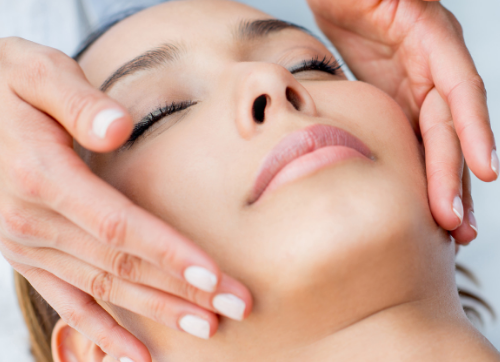
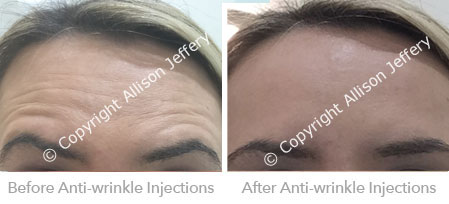
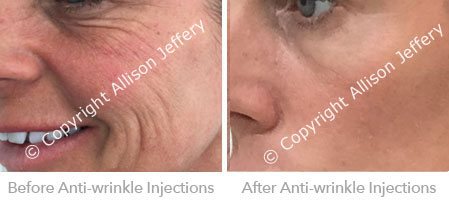
Initial changes typically emerge within 3-5 days as the botulinum toxin begins interrupting nerve signals to targeted muscles. You’ll notice subtle softening of dynamic wrinkles—those lines that appear with facial expressions like frowning or smiling.
The full effect manifests around the 14-day mark, when the Botox has completely integrated with muscle tissue and achieved maximum muscle relaxation.
Our What Clinic Award-winning practitioners schedule follow-up assessments at this two-week point to evaluate symmetry, assess result satisfaction, and determine if any minor adjustments would enhance your outcome. First-time Botox clients particularly benefit from this follow-up, as it establishes a baseline for future treatments.
Results typically last 3-4 months, though individual variation exists based on metabolism, muscle strength, and treatment area
Regular Botox clients often experience progressively longer-lasting results as the targeted muscles become trained to remain relaxed. Our 15 years of clinical experience demonstrates that clients maintaining consistent treatment schedules—returning when muscles begin regaining movement—achieve superior long-term outcomes compared to sporadic treatment approaches.
When to Contact Your Provider
While Botox boasts an exceptional safety profile when administered by qualified medical professionals, certain symptoms warrant immediate practitioner contact.
Severe headache, vision changes, difficulty swallowing, or breathing problems require urgent medical attention, though these complications occur extremely rarely when treatments are performed by experienced injectors like our Royal London Medical and Dental School graduates.
More common concerns include asymmetrical results, unexpected muscle weakness, or eyelid drooping appearing within the first two weeks. These issues, while concerning, can often be addressed through minor adjustments or simply allowing additional time for the product to settle. Contact our Brighton clinic if you notice pronounced asymmetry, significant swelling persisting beyond 48 hours, or any reaction that causes you anxiety.
Signs of infection—increasing redness, warmth, pain, or discharge at injection sites—also require prompt evaluation.
Our award-winning customer service team remains available to address your concerns, provide reassurance, and schedule assessment appointments when needed. Remember that your comfort and satisfaction drive our practice, and no question or concern is too minor for professional evaluation.
What Are the Symptoms of an Allergic Reaction to Botox?
True allergic reactions to Botox remain exceptionally rare, occurring in less than 1% of treatments
However, recognizing potential symptoms ensures rapid response if a reaction develops. Immediate symptoms appearing within minutes to hours include difficulty breathing, chest tightness, severe dizziness, or facial swelling beyond the injection sites. These signs require emergency medical attention.
Delayed allergic responses may manifest as widespread hives, itching, or rash developing within 24-48 hours of treatment
Some clients experience flu-like symptoms including muscle aches, fatigue, or mild fever—though these symptoms can also represent normal immune responses to the injection process rather than true allergies. Our Celebrity Harley Street Doctors carefully review your medical history and allergy profile before treatment to minimize any reaction risk.
If you’ve experienced reactions to botulinum toxin products in the past, alternative wrinkle-reduction treatments may prove more suitable for your needs
Our comprehensive consultation process identifies any contraindications before proceeding with treatment, ensuring your safety remains paramount. The extensive training and medical expertise of our practitioners enables accurate differentiation between normal post-injection responses and genuine allergic reactions requiring intervention.
Flying After Botox: Air Travel Considerations
Air travel after Botox treatment requires strategic timing for optimal comfort and results
While no absolute medical contraindication prevents flying post-Botox, we recommend waiting at least 24 hours before boarding a flight. Cabin pressure changes, dehydration from recycled air, and the inability to maintain ideal positioning during flights can all impact your treatment outcome.
The reduced humidity in aircraft cabins accelerates skin dehydration, potentially affecting how your skin responds during the critical integration period. Additionally, the upright position requirement becomes challenging during flights, particularly on long-haul journeys where sleeping proves tempting. Our work with international clients—including models and actors with demanding travel schedules—demonstrates that delaying air travel by 48 hours produces more consistent, predictable results.
If you must fly within the restricted period, prioritize hydration by drinking water frequently throughout your flight
Avoid alcohol completely, as the combination of cabin pressure and alcohol’s vasodilating effects significantly increasesbruising risk. Use a hydrating facial mist periodically, apply gentle moisturizer, and resist touching or rubbing your face despite any discomfort from dry cabin air. These precautions help protect your investment when travel timing cannot be adjusted.
Preventing Bruising and Swelling: Ice and Arnica Protocols
Strategic use of ice and arnica significantly reduces bruising and swelling, the most common minor side effects following Botox injections
Immediately after your treatment, apply ice packs wrapped in clean cloth to the injection areas for 10-minute intervals every hour during the first three hours. This controlled cooling constricts blood vessels, minimizing bleeding beneath the skin that manifests as bruising.
Arnica montana, a natural herb with anti-inflammatory properties, proves remarkably effective when used both before and after treatment
Begin taking arnica tablets 2-3 days before your appointment and continue for 3-4 days afterward. Topical arnica cream can be gently applied around (not directly on) injection sites starting 24 hours post-treatment, supporting your body’s natural healing processes.
Vitamin C supplementation and foods rich in bioflavonoids
Citrus fruits, red bell peppers, broccoli, and green tea—strengthen blood vessel walls, reducing bruising susceptibility.These natural interventions complement your body’s healing mechanisms without interfering with Botox efficacy.
Want to ensure flawless Botox results?
Our experienced nurse prescribers provide detailed aftercare guidance and support throughout your treatment journey. Book Your Botox Treatment
Comprehensive Do’s and Don’ts Checklist
- Remain upright for 4-6 hours following your injection
- Perform gentle facial exercises one hour post-treatment
- Apply ice packs for 10 minutes hourly during the first three hours
- Take arnica tablets and apply arnica cream as directed
- Maintain excellent hydration with water intake throughout recovery
- Sleep on your back with head slightly elevated for 48 hours
- Schedule your two-week follow-up assessment
- Contact your practitioner with any concerns or questions
- Don’t lie down or lean forward for minimum four hours post-treatment
- Don’t touch, rub, or massage injection sites for 48 hours
- Don’t consume alcohol for 24 hours before and 48 hours after treatment
- Don’t engage in strenuous exercise or activities causing sweating for 24 hours
- Don’t expose yourself to saunas, hot tubs, or excessive heat for 24 hours
- Don’t take ibuprofen, aspirin, or vitamin E for 24 hours post-injection
- Don’t apply irritating skincare products like retinol for 24 hours
- Don’t schedule facials, microdermabrasion, or chemical peels for two weeks
- Don’t expose treated areas to direct sunlight or UV tanning for 24 hours
Your Botox Success Depends on Expert Aftercare
The transformation you desire from Botox inject-able treatments extends beyond the injection itself
Proper aftercare determines whether you achieve good results or exceptional ones. Our Celebrity Harley Street Doctors bring advanced aesthetic expertise to every treatment, but your commitment to these aftercare protocols activates the full potential of your investment.
The science behind Botox aftercare isn’t complicated, but it demands attention to detail and adherence to proven protocols
From the critical four-hour upright position to the 48-hour contact restriction, each guideline serves a specific purpose in protecting the precise placement that makes Botox effective. Our 15 years of experience and eight What Clinic Awards validate these protocols through thousands of successful client transformations.
By choosing our Brighton clinic, you access not just expert injection technique but comprehensive support throughout your aesthetic journey. We remain committed to your satisfaction, available to answer questions, address concerns, and ensure your Botox experience delivers the refreshed, youthful appearance you envision.
Frequently Asked Questions About Botox Aftercare
▸How long do I need to stay upright after Botox?
▸When will I see results from my Botox treatment?
▸Can I exercise after getting Botox?
▸When can I drink alcohol after Botox?
▸How can I reduce bruising after Botox?
▸When can I apply skincare products after Botox?
▸What should I avoid touching after Botox?
▸When should I schedule a follow-up appointment?
Our Celebrity Harley Street Doctors deliver advanced aesthetics with 15+ years of expertise.
Book Your Consultation Today